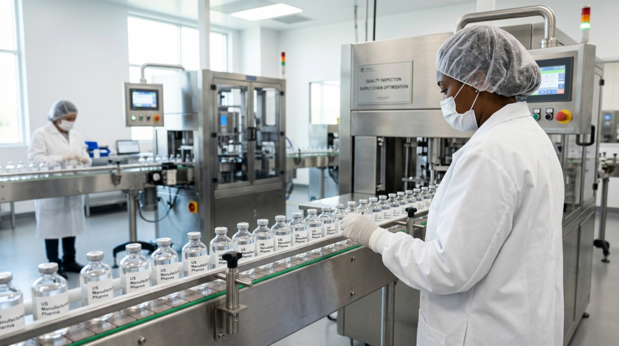
Seven pharmaceutical companies, including prominent names like Eli Lilly and Regeneron, have been chosen to participate in the FDA’s PreCheck pilot program. This initiative aims to strengthen the resilience of the U.S. drug supply chain, an increasingly vital aspect of American healthcare and industry. By enhancing the efficiency and reliability of pharmaceutical production, the program could foster a more robust framework for drug manufacturing in the United States.
The FDA’s PreCheck pilot program is designed to facilitate faster approvals and streamline the regulatory process for participating companies. This approach not only supports innovation within the pharmaceutical sector but also aims to ensure that critical medications are produced more reliably. The inclusion of industry leaders such as Lilly and Regeneron underscores the initiative’s potential to leverage established expertise in drug manufacturing to address ongoing supply chain challenges.
In recent years, the U.S. has faced significant disruptions in its drug supply chain, driven by various factors including global crises and increased demand for certain medications. By selecting these seven companies, the FDA signals a commitment to mitigating these vulnerabilities. The program is expected to enhance production capacity and improve the overall reliability of drug availability for American consumers and healthcare providers.
The participating companies will benefit from a more streamlined regulatory pathway, allowing them to bring new products to market more quickly. For instance, Lilly’s facility in Lebanon, Indiana, is set to manufacture active pharmaceutical ingredients, which are crucial for drug formulation. This kind of localized production not only supports the company’s operations but also contributes to the broader goal of reducing dependency on foreign supply chains.
Additionally, the program could have positive implications for local communities and the workforce. As these companies expand their manufacturing capabilities, there may be increased job opportunities in the pharmaceutical sector. Skilled workers will be essential to meet the demands of modern production, which increasingly relies on advanced technologies and processes. This focus on skilled labor aligns with broader trends in American industry, where investment in workforce development is becoming a priority.
While the FDA’s initiative is promising, it is important to acknowledge the challenges that lie ahead. The success of the PreCheck pilot program will depend on the ability of these companies to adapt to new regulatory frameworks and the ongoing need for investment in manufacturing infrastructure. However, the selection of these firms indicates a proactive stance towards addressing these issues and enhancing the resilience of the drug supply chain.
In conclusion, the FDA’s PreCheck pilot program represents a significant step towards modernizing and strengthening the U.S. pharmaceutical landscape. By partnering with leading companies in the industry, the initiative not only aims to enhance the reliability of drug production but also supports local economies and skilled labor. As the program unfolds, it will be crucial to monitor its impact on the industry and the communities that rely on a stable and efficient drug supply.