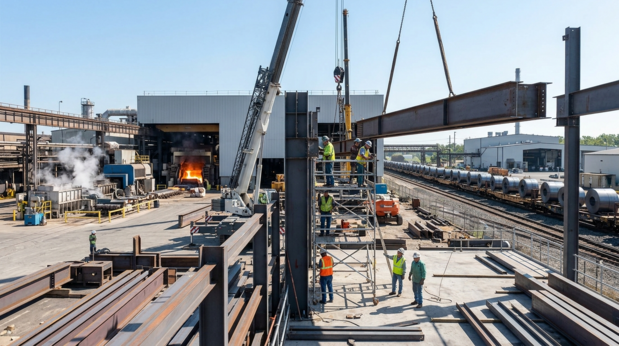
Domestic steelmakers are reporting a significant wave of investments, attributing this trend to the enforcement of tariffs and growing demand for steel. During a recent meeting with the Congressional Steel Caucus, industry leaders highlighted that Section 232 tariffs have played a crucial role in driving increased production and facilitating new investments. This development is noteworthy as it underscores the evolving landscape of the American steel industry, which is becoming more competitive and resilient.
The steel sector has witnessed a remarkable turnaround since the implementation of these tariffs, which were designed to protect domestic industries from foreign competition. According to industry reports, domestic steelmakers have announced nearly $22 billion in investments for new or expanded production facilities since March 2018. This surge in spending reflects a renewed confidence among steel manufacturers, suggesting that the tariffs have created a more favorable environment for domestic production.
In addition to financial investments, the reopening of previously shuttered facilities is another positive outcome of these measures. Steel companies are not only increasing their production capacity but also reactivating plants that had been idle, which contributes to job stability and workforce growth. This revitalization of the industry is essential for both local economies and the broader U.S. manufacturing landscape, as steel remains a fundamental input for various sectors, including construction and automotive.
As domestic steel production ramps up, the implications extend beyond just the manufacturers themselves. Increased output can enhance the reliability of supply chains, which have been under pressure in recent years. By bolstering local production capabilities, the industry aims to reduce reliance on foreign imports, thus fostering a more secure and stable supply chain for American businesses. This shift not only benefits steelmakers but also supports industries that depend on steel, promoting overall economic health.
Despite the positive momentum, challenges remain in the industry. Fluctuations in global demand and potential shifts in trade policies could impact future growth. However, the current wave of investment reflects a proactive approach by domestic steelmakers to adapt to these uncertainties. By investing in modernization and expanding their operational capacities, they are positioning themselves to meet future demands more effectively.
The ongoing discussions within the Congressional Steel Caucus highlight the importance of continued support for the domestic steel industry. Policymakers are increasingly recognizing the need to create an environment conducive to growth and stability for American manufacturers. The commitment to trade enforcement and protective tariffs has the potential to further strengthen the industry’s competitive edge.
Overall, the recent developments in the domestic steel sector illustrate a constructive trend toward revitalization and investment. As companies invest in their futures and expand production capabilities, the benefits ripple through local communities and the national economy. This evolving landscape of the steel industry showcases the potential for growth and resilience, marking a significant chapter in American manufacturing.
In conclusion, the investments driven by tariffs and demand signal a promising future for the American steel industry. By focusing on domestic production and workforce stability, steelmakers are not only enhancing their competitiveness but also contributing to the broader economic framework that supports skilled work and industrial growth across the nation.