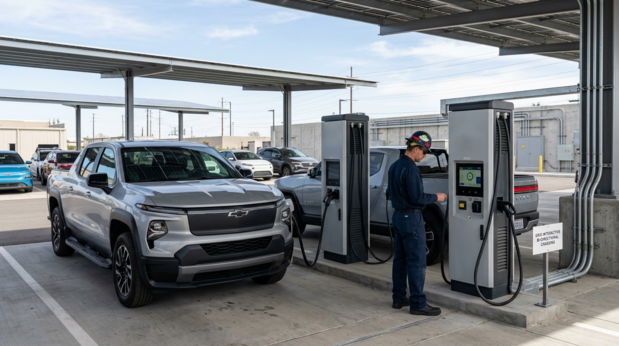
General Motors (GM) and Rivian have recently announced their support for bidirectional electric vehicle (EV) charging, a move that could significantly enhance the efficiency of managing the growing electric vehicle fleet in the United States. This technology allows EVs to not only draw power from the grid but also to return energy, creating a more dynamic interaction between vehicles and the energy infrastructure. As the adoption of electric vehicles continues to rise, this development is poised to play a crucial role in how energy is utilized and managed across the country.
The implications of bidirectional charging extend beyond just individual car owners. By enabling vehicles to supply power back to the grid during peak demand times, this technology could help stabilize energy loads and reduce strain on infrastructure. This is particularly important as the U.S. aims to transition to cleaner energy sources and decrease reliance on fossil fuels. Such advancements could support a more resilient energy system, aligning with broader national goals for sustainability and energy independence.
As the electric vehicle market expands, the demand for reliable charging solutions grows. Bidirectional charging not only addresses this need but also enhances the overall value proposition of owning an electric vehicle. EV owners could potentially use their vehicles to power their homes or sell energy back to the grid, creating new economic opportunities. This reflects a significant shift in how consumers might view their relationship with energy and transportation, turning vehicles into active participants in the energy market.
Moreover, GM and Rivian’s collaboration highlights a growing trend among automakers to innovate in the energy sector. By investing in technologies that enable bidirectional charging, these companies are not just focusing on vehicle performance but also on how their products can contribute to a more sustainable energy ecosystem. This approach underscores the importance of cross-industry partnerships in tackling complex challenges related to energy management and climate change.
The integration of bidirectional charging technology could also influence future infrastructure investments. As cities and communities prepare for an influx of electric vehicles, there is an opportunity to design charging stations and energy systems that accommodate this two-way flow of electricity. This could lead to more efficient use of resources and infrastructure, ultimately benefiting local economies and enhancing the resilience of energy systems.
While there are challenges to implementing bidirectional charging, including regulatory hurdles and the need for compatible infrastructure, the potential benefits are significant. This technology can help ensure that the electric grid remains stable as more consumers transition to electric vehicles. It also paves the way for a future where energy is more decentralized and democratized.
In summary, the support for bidirectional EV charging by GM and Rivian marks a forward-thinking step in the evolution of the electric vehicle market. It not only addresses the immediate challenges posed by a growing fleet of electric vehicles but also lays the groundwork for a more integrated and sustainable energy future. As these developments progress, they could have meaningful implications for American industry, energy management, and the broader economy.