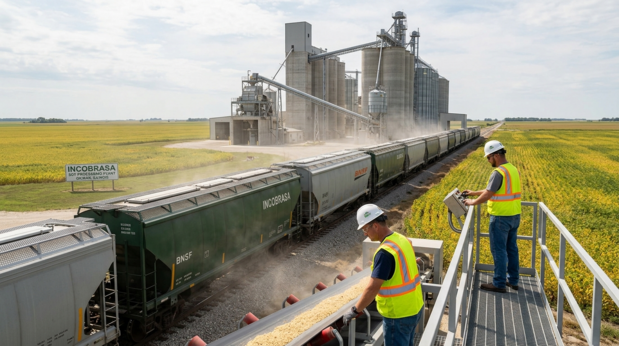
A new soybean crushing plant operated by Incobrasa in Illinois is poised to enhance the resilience of American agriculture, particularly in the Midwest. By reducing U.S. farmers’ dependence on Chinese demand, the facility represents a significant step toward strengthening domestic supply chains and mitigating the impacts of international trade tensions. This development not only supports local economies but also underscores a broader strategy to bolster agricultural self-sufficiency in the face of global market fluctuations.
The opening of the plant comes at a time when U.S. agricultural producers are navigating a complex trade landscape. With ongoing uncertainties regarding international relations, particularly with major trading partners, the ability to process soybeans domestically can help stabilize prices and ensure a steady supply for various markets. This shift could enhance the reliability of soybean availability for both food products and biofuels, which are increasingly vital to energy markets.
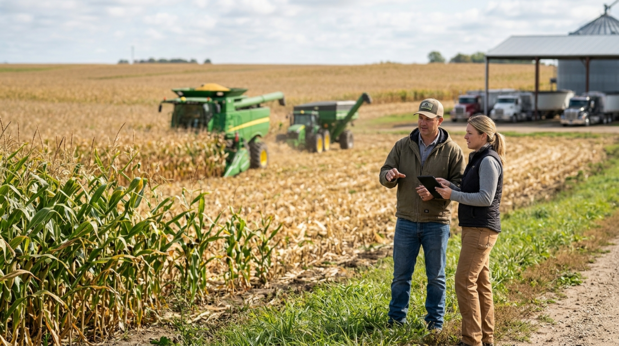
Incobrasa’s investment in the new facility reflects a growing trend among U.S. agricultural businesses to invest in local infrastructure. By processing soybeans closer to where they are grown, the plant is expected to reduce transportation costs and environmental impacts associated with long-distance shipping. This localized approach not only supports farmers by providing them with a reliable buyer but also encourages sustainable practices within the agricultural sector.
Moreover, this development aligns with a broader national interest in enhancing food security and reducing vulnerability to external economic pressures. As trade policies continue to evolve, having robust domestic production capabilities can help shield American farmers from the volatility associated with foreign markets. This is particularly relevant in today’s context, where geopolitical tensions can lead to abrupt shifts in trade dynamics.
The plant’s operations are also anticipated to create job opportunities in the region, contributing to local economic growth. The construction and ongoing operation of the facility will likely require skilled labor, thereby supporting employment in the area. This aspect not only benefits individuals seeking work but also strengthens the community as a whole by fostering economic activity.
While challenges remain—such as the need for ongoing investments in technology and infrastructure—the establishment of the Incobrasa plant marks a positive step toward a more resilient agricultural sector. It highlights a commitment to modernizing production capabilities and adapting to changing market conditions. The plant could serve as a model for future investments in agricultural infrastructure across the country.
In conclusion, Incobrasa’s new soybean crushing plant in Illinois is more than just a new facility; it symbolizes a proactive approach to enhancing the resilience of American agriculture. By fostering local processing capabilities and reducing reliance on international markets, this development supports the long-term stability and growth of the agricultural sector, benefiting farmers, local communities, and the economy as a whole. As the U.S. continues to adapt to an evolving global landscape, such initiatives could prove crucial in maintaining a robust agricultural framework.