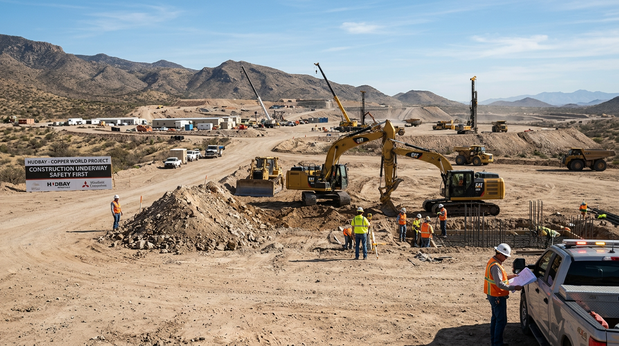
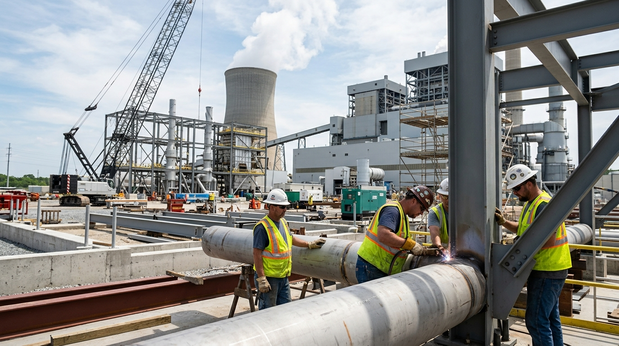
The U.S. government has announced an allocation of $850 million in federal funding aimed at revitalizing the coal energy sector. This investment is directed toward new, reopened, and upgraded coal-burning power plants across the country. Advocates for the coal industry see this funding as a crucial step to bolster a segment of the energy market that has faced significant challenges in recent years.
The funding is intended to support projects that could enhance the efficiency and environmental performance of coal plants. As the energy landscape evolves, these upgrades may help coal facilities remain competitive amid growing investments in renewable energy sources. The federal support underscores a commitment to maintaining a diverse energy portfolio, which includes traditional coal alongside emerging technologies.
Historically, the coal industry has struggled due to a variety of factors, including regulatory pressures and competition from cheaper natural gas and renewables. This new funding could serve as a lifeline, potentially leading to job creation in coal-dependent regions and supporting local economies. Communities that rely on coal for employment may see renewed opportunities as plants upgrade their technologies and operations.
Moreover, this initiative reflects a broader strategy to enhance energy security in the United States. By investing in coal energy, the government aims to ensure that the country has multiple reliable sources of energy production. This diversified approach could help mitigate risks associated with energy supply disruptions, which have become a growing concern in recent years.
The announcement has drawn mixed reactions from various stakeholders. While proponents argue that it could lead to modernization and job preservation, critics caution against over-reliance on coal, particularly in light of climate change concerns. The challenge will be to balance the needs of the coal industry with environmental sustainability goals, a conversation that is likely to continue as projects move forward.
In addition to job creation and energy security, the funding may also have implications for supply chains. Upgraded coal plants could enhance the efficiency of coal transportation and processing, potentially benefiting industries connected to coal production. This could lead to a more streamlined supply chain that supports both the coal sector and related industries.
As this funding initiative progresses, it will be important to monitor its impact on both the coal industry and the broader energy market. The outcomes could shape future investments and policies related to energy production in the United States. Overall, while the coal industry faces significant challenges, this federal funding marks a noteworthy effort to support its adaptation and sustainability in a changing energy landscape.