
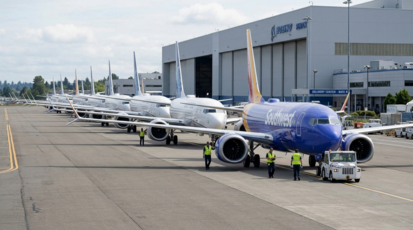
Boeing recently announced the successful delivery of 51 737 MAX jets in May 2026, marking a significant rebound following a temporary disruption caused by wiring issues. This delivery milestone reflects the company’s ongoing efforts to stabilize its production processes and restore confidence in its manufacturing capabilities. The 737 MAX has been a critical component of Boeing’s commercial aircraft portfolio, and this uptick in deliveries could signal a positive trend for the aerospace sector.
The recent wiring problems had previously stalled deliveries, raising concerns about the production timeline and quality control measures at Boeing. However, the swift resolution of these issues demonstrates the company’s commitment to addressing challenges in its manufacturing process. In the first five months of 2026, Boeing has delivered a total of 198 MAX jets, indicating a robust recovery from earlier setbacks.
Boeing’s ability to deliver these jets not only underscores its operational resilience but also has broader implications for the aerospace industry and American manufacturing. With the global aviation market gradually rebounding, increased deliveries could enhance Boeing’s market position and support the supply chains linked to aviation production. This may also translate into a more stable employment environment for workers in manufacturing and related sectors.
The 737 MAX has been at the center of Boeing’s recovery strategy since its earlier troubles, which included grounding and production halts. The successful delivery of these aircraft suggests that Boeing is making strides in restoring its reputation and operational reliability. Furthermore, as airlines ramp up their fleets in response to growing travel demand, the need for new aircraft is likely to rise, creating additional opportunities for Boeing and its suppliers.
In addition to the immediate benefits for Boeing, this increase in production is likely to have positive ripple effects throughout the aerospace supply chain. Companies that supply parts and components for the 737 MAX could see increased orders, which may lead to more jobs and investment in local communities. This is particularly relevant in regions where aerospace manufacturing plays a significant role in the economy.
As Boeing continues to navigate the complexities of the aerospace market, the successful delivery of the 51 jets in May serves as a reminder of the importance of resilience in manufacturing. The company’s ability to overcome production hurdles while maintaining quality standards will be crucial as it looks to meet future demand in a competitive environment.
Overall, the recent delivery milestone not only highlights Boeing’s recovery but also reflects a broader trend of resilience within American manufacturing. As the aviation industry continues to rebound, the focus on quality and efficiency will be essential for sustaining growth and ensuring the long-term viability of the sector.