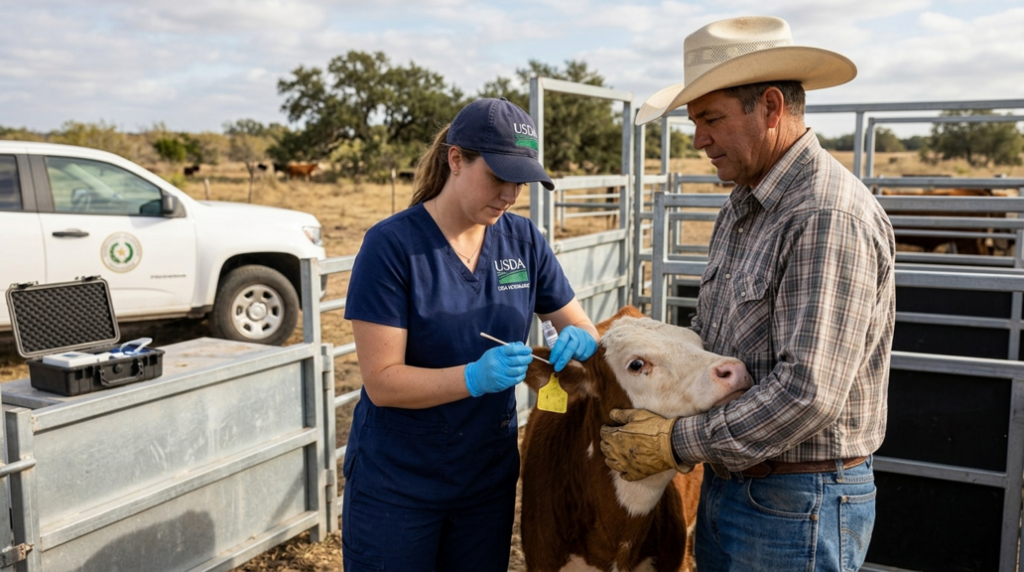
The United States Department of Agriculture (USDA) has confirmed the presence of New World screwworm in a 3-week-old calf located in South Texas. This finding, which was reported in Zavala County, marks the first detection of this pest in the U.S. in several decades and raises concerns about the potential impact on local agriculture and livestock health.
New World screwworms are parasitic larvae that can cause severe harm to livestock, leading to significant economic losses in the agriculture sector. The larvae were identified in the calf’s umbilical area, prompting immediate action from USDA officials. As a precaution, the agency is implementing a response plan to mitigate the spread of this pest, which could threaten cattle and other livestock in the region.
The detection of the screwworm underscores the importance of ongoing investments in agricultural research and rural development. Lawmakers are preparing to vote on an agriculture and FDA funding bill that emphasizes the need for funding to support research and health initiatives for plants and animals. This legislative effort aims to bolster the agricultural sector’s resilience against pests and diseases, which can disrupt supply chains and affect food security.
Historically, New World screwworms were eradicated from the U.S. in the 1980s through a successful sterile insect technique program. However, the recent case highlights the need for vigilance in monitoring and controlling pests that can re-emerge. The USDA is working closely with local farmers and ranchers to ensure they are informed about the situation and equipped with the necessary resources to protect their livestock.
The presence of New World screwworm in Texas could have broader implications for the agricultural industry, particularly in regions heavily reliant on livestock production. Farmers may face increased costs associated with monitoring, treatment, and potential losses if the pest spreads. The USDA’s swift response and the potential for legislative support reflect a commitment to protecting the agricultural sector and ensuring the health of livestock.
As the USDA continues its efforts to control the situation, it is essential for local communities and stakeholders to remain informed about the developments. Educational outreach and resources will be crucial in helping farmers implement biosecurity measures to prevent further infestations.
In conclusion, while the detection of New World screwworm in South Texas presents challenges, it also highlights the importance of proactive measures and investment in agricultural health. The upcoming funding bill could play a significant role in reinforcing the agricultural infrastructure necessary to combat such threats, ultimately supporting American farmers and the broader economy.