USA Rare Earth has secured significant funding from the U.S. Department of Commerce, amounting to up to $1.6 billion, as part of efforts to bolster the domestic rare earth supply chain. This funding, made available under the CHIPS Act, aims to enhance the resilience of American industry and reduce reliance on foreign sources for critical materials used in various high-tech applications.
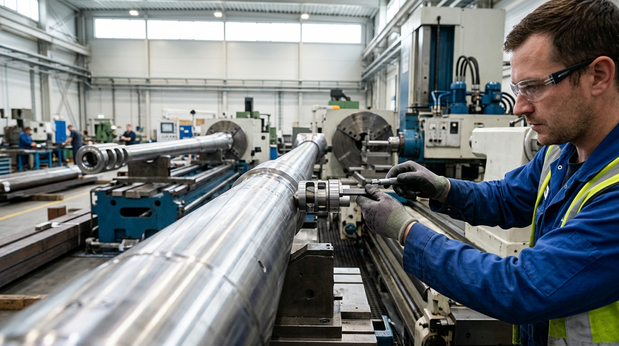
The agreements with the Department of Commerce signal a commitment to strengthening the supply chain for rare earth elements (REEs), which are essential for manufacturing products ranging from electronics to renewable energy technologies. Rare earth materials are crucial for the production of magnets, batteries, and other components vital to modern industries.
USA Rare Earth’s initiative is part of a broader national strategy to secure the supply chain for critical minerals. The U.S. has historically depended on imports for a significant portion of its rare earth needs, particularly from countries like China. By investing in domestic production capabilities, the government aims to enhance energy security and industrial capacity while also creating jobs in mining and manufacturing sectors.
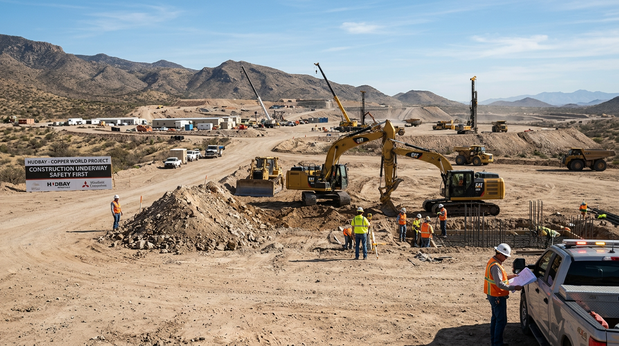
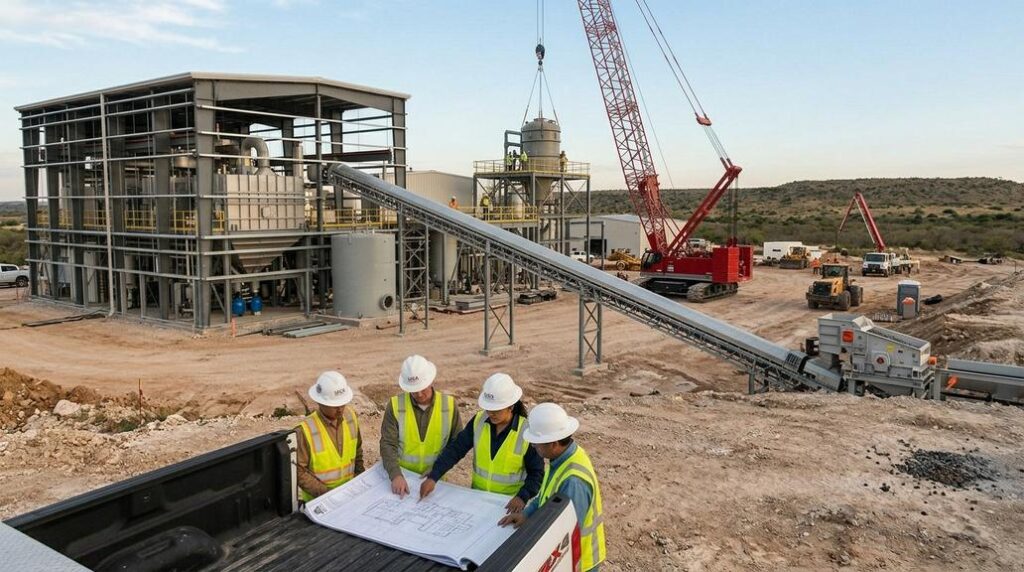
The funding will support USA Rare Earth in building processing facilities and mining operations, potentially leading to new employment opportunities in local communities. As the company progresses with its plans, it could provide a boost to the regional economy, especially in areas that have been historically linked to mining activities.
This investment aligns with recent government efforts to ensure a more robust and self-sufficient supply chain for critical materials. Initiatives from various federal agencies have focused on establishing a ‘mine-to-magnet’ supply chain, which emphasizes domestic sourcing and production of rare earth elements. This approach not only aims to stabilize the supply chain but also seeks to minimize environmental impacts associated with mining.
The funding announcement comes at a time when global supply chains are increasingly under scrutiny due to geopolitical tensions and supply disruptions. By prioritizing domestic production, the U.S. is taking proactive steps to mitigate potential risks associated with over-reliance on foreign suppliers.
While the exact timeline for the project remains unclear, the commitment of $1.6 billion marks a significant step toward establishing a more secure and sustainable rare earth supply chain in the United States. As USA Rare Earth moves forward, the implications for American workers and local economies could be substantial, potentially leading to a new era of industrial growth centered around critical mineral production.
In conclusion, the agreements between USA Rare Earth and the U.S. Department of Commerce reflect a strategic move to enhance the country’s self-sufficiency in critical materials. As the project unfolds, it will be important to monitor its impact on both the domestic market and the broader industrial landscape.