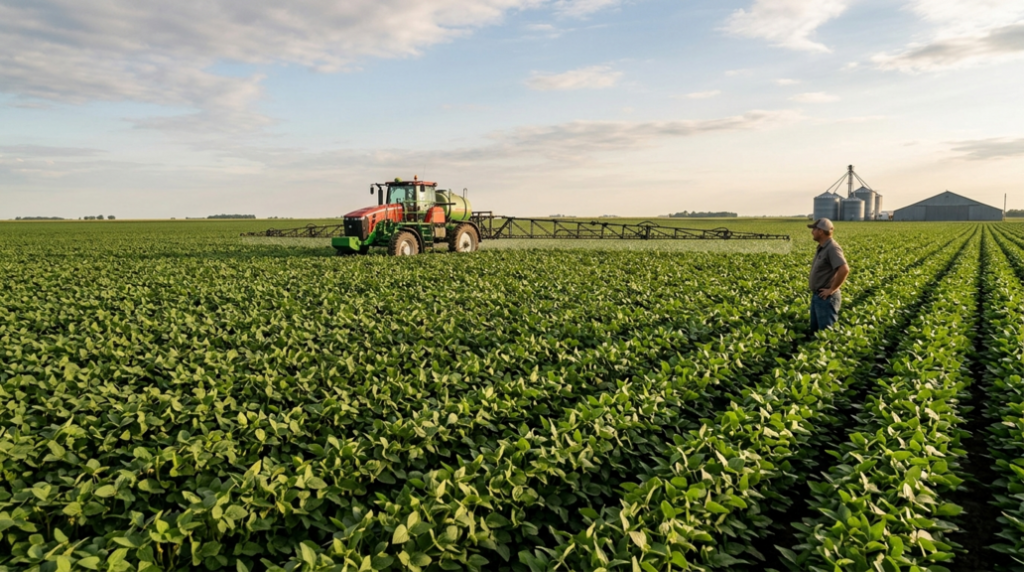
Soybean prices have been experiencing upward pressure recently, driven largely by robust demand for soy oil. However, the potential for a record soybean crop in the United States could significantly alter this trend. Analysts are closely monitoring these developments, as they may have implications for American agriculture and related supply chains.
The U.S. Department of Agriculture has indicated that favorable weather conditions and increased acreage dedicated to soybean production could lead to a harvest that surpasses previous records. If realized, this increase in supply could soften prices, providing a counterbalance to the current market dynamics that have favored sellers.
Historically, soybean prices have fluctuated based on a variety of factors, including global demand, trade policies, and competition from other soybean-producing countries. Recently, Brazilian production has also been strong, which could further influence market conditions. The interplay between U.S. and Brazilian crops is particularly important, as both countries are major players in the global soybean market.
For American farmers, the prospect of a record crop could mean reduced income if prices decline. However, it may also present opportunities for increased exports if the U.S. can maintain its competitive edge in quality. This situation underscores the importance of efficient supply chains and logistics, as timely delivery of harvested crops can affect market positioning.
The agricultural sector is a vital component of the American economy, and fluctuations in soybean prices can have ripple effects. For workers in agriculture and related industries, changes in crop prices can influence job stability and wages. Additionally, communities that rely heavily on agriculture for their economic base may experience shifts in local economic conditions based on these market changes.
As the harvest season approaches, stakeholders from farmers to supply chain managers will be watching closely. The outcome of this potential record crop could shape not only the immediate agricultural landscape but also long-term strategies for production and marketing. Monitoring these trends will be crucial for understanding the broader economic implications for American agriculture.
In conclusion, while the current rise in soybean prices has been favorable for producers, the potential for a record crop introduces a new variable that could shift market dynamics. As the agricultural sector adapts to these changes, the focus will likely remain on how to balance supply and demand effectively, ensuring that American producers can remain competitive in an evolving global market.