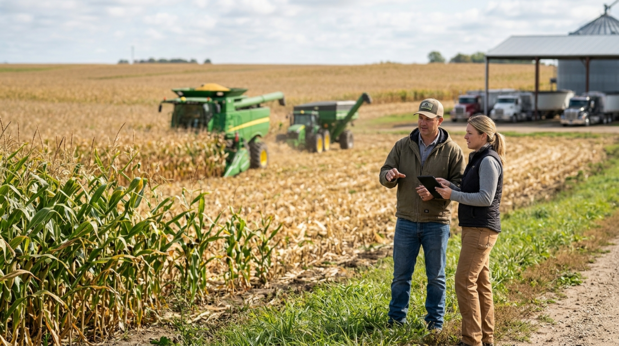
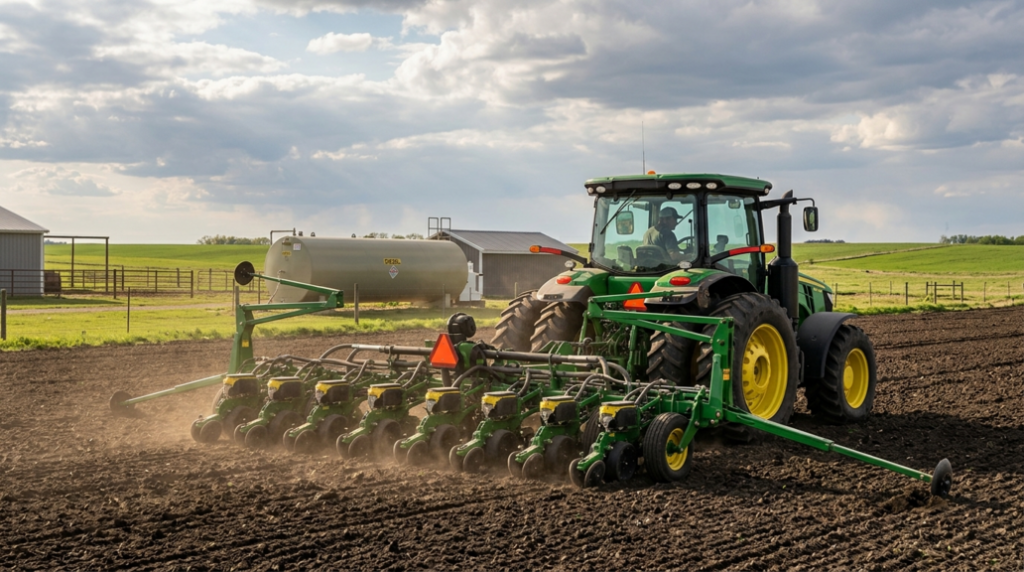
As the crop season progresses, farmers in Maryland and Minnesota are facing challenges from fluctuating weather conditions and rising fuel prices. These factors are critical as they work to establish their crops, highlighting the resilience and adaptability required in agriculture today.
Farmers in both states report that recent weather patterns have been unpredictable, impacting planting schedules and crop establishment. Rainfall has varied significantly, with some areas experiencing excessive moisture while others face drier conditions. This variability complicates the planting process and can ultimately affect yields later in the season.
Alongside weather challenges, fuel prices are also a pressing concern for farmers. The cost of diesel has seen notable increases, which can significantly impact operational budgets. For many farmers, high fuel prices not only affect transportation but also the cost of running machinery essential for planting and maintenance. This rise in operational costs adds another layer of stress to an already demanding season.
The combination of these challenges underscores the importance of strategic planning and adaptability in farming. Farmers are employing various strategies to mitigate risks, such as diversifying crops and investing in technology that allows for more precise farming practices. This adaptability is crucial in an industry that is increasingly affected by external factors, including climate change and market fluctuations.
Moreover, the current situation reflects broader trends in American agriculture, where farmers must navigate not only environmental challenges but also economic pressures. The rising cost of inputs, including fuel and fertilizers, is a concern echoed across the country, affecting farmers’ bottom lines and their ability to invest in future crops.
Despite these challenges, many farmers remain optimistic about the potential for a successful season. With careful management and a focus on sustainable practices, they are working to ensure their farms remain productive. This resilience is a hallmark of the agricultural community, which has historically adapted to changing conditions.
In addition, local communities stand to benefit from the ongoing agricultural activities. A successful crop season can bolster local economies, providing jobs and supporting businesses that rely on farming. As farmers work through these challenges, their efforts contribute not only to the food supply but also to the economic health of their regions.
As the season unfolds, the experiences of farmers in Maryland and Minnesota serve as a microcosm of the broader agricultural landscape in the United States. Their ability to adapt to fluctuating conditions is crucial for ensuring food security and maintaining the vitality of rural economies. The outcomes of this crop season will be closely watched, as they may set the tone for agricultural practices and economic conditions in the months to come.