
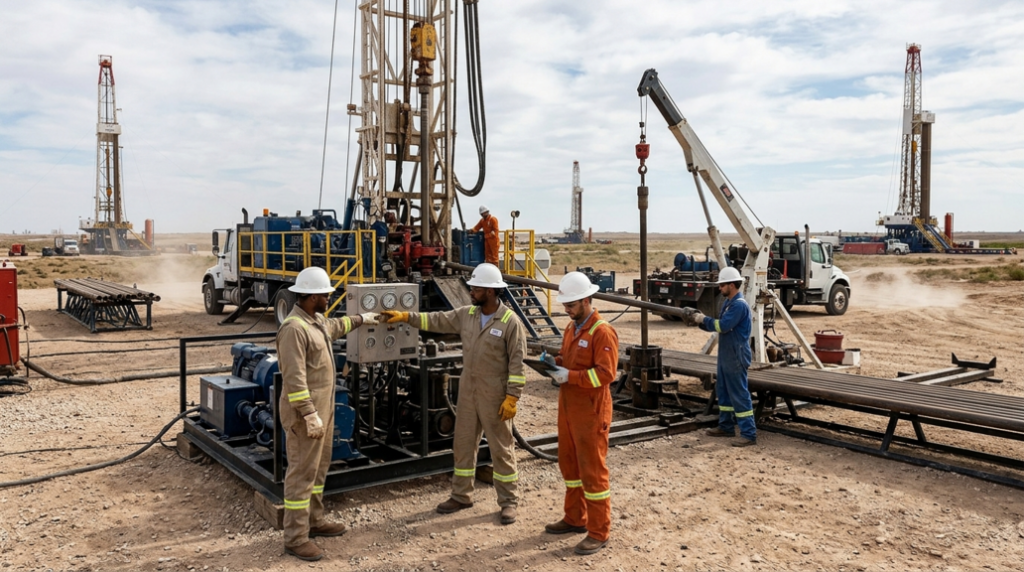
Texas is experiencing a notable increase in oil production, as highlighted by Texas Railroad Commissioner Wayne Christian. Recent data indicates a significant rise in drilling activity across the state, alongside steady job growth in the upstream sector. This development underscores the resilience of the Texas oil industry and its capacity to respond to market demands.
The latest figures show that the rig count in Texas has climbed, reflecting an expanding commitment to oil extraction and production. This uptick in drilling activity is vital not only for Texas but also for the broader American energy landscape, as the state leads the nation in oil output. The increase in rigs is expected to enhance production levels, contributing to energy security and potentially stabilizing oil prices in the market.
In addition to rising production, the upstream oil and gas sector has seen job growth, with the addition of approximately 400 new positions reported recently. This marks a positive trend for employment in a sector that is crucial to both the Texas economy and the national energy framework. The jobs created in this sector can provide opportunities for skilled workers, particularly in areas where the oil and gas industry is a significant employer.
Christian’s comments on the growth reflect a broader trend of resilience within the oil and gas industry, which has faced various challenges in recent years, including fluctuating prices and regulatory pressures. The current increase in drilling and hiring could signal a recovery and renewed confidence among companies operating in the sector. As businesses ramp up operations, they may also invest in technology and infrastructure improvements, which can further enhance productivity and efficiency.
The implications of this growth extend beyond the immediate economic benefits. A robust oil and gas sector can lead to improved infrastructure in local communities, as companies often invest in roads, utilities, and other essential services to support their operations. This development can enhance the quality of life for residents and stimulate local economies.
Moreover, the rise in Texas oil production could play a role in reducing the nation’s dependence on foreign oil. By increasing domestic output, the U.S. can bolster its energy independence, which has become a focal point of national policy discussions. A strong domestic oil sector can also help mitigate the impact of global supply chain disruptions, which have become more pronounced in recent years.
In conclusion, the recent increase in Texas’s rig count and upstream hiring is a significant development for the state’s oil industry. It reflects both the resilience of the sector and its ability to adapt to changing market conditions. As Texas continues to lead in oil production, the potential benefits for local communities, workers, and the national energy strategy are noteworthy, marking an important chapter in the ongoing evolution of American energy production.