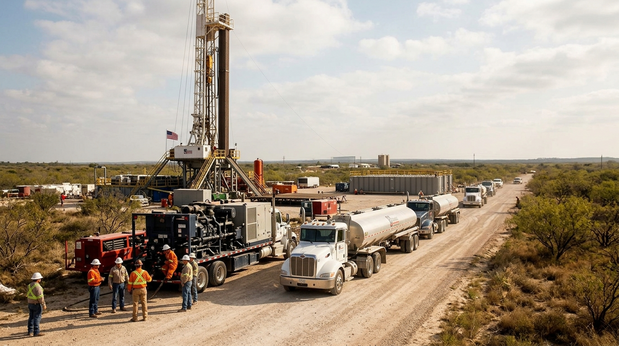
Natural gas production in the Permian Basin is projected to rise significantly, with an expected 60% increase from 2021 to 2025, reaching 27.6 billion cubic feet per day (Bcf/d). This surge in natural gas output outpaces the anticipated 39% growth in crude oil production over the same period, signaling a shift in the energy landscape of one of America’s most vital oil-producing regions. This development is particularly noteworthy as it underscores the growing importance of natural gas in the broader context of American energy production.
The increase in natural gas production reflects a changing dynamic in the Permian Basin, where the ratio of natural gas to crude oil is becoming more favorable. As companies continue to optimize their extraction techniques and invest in technology, the efficiency of natural gas production has improved, leading to higher yields. This trend not only supports the energy needs of local communities but also enhances the reliability of energy supplies across the nation.
Natural gas has become an essential component of the U.S. energy mix, providing a cleaner-burning alternative to coal and oil. The rise in production from the Permian Basin aligns with national goals to reduce greenhouse gas emissions and transition toward more sustainable energy sources. As natural gas production increases, it helps to stabilize energy prices and can contribute to energy independence, which is a significant consideration for both policymakers and consumers.
Moreover, the growth in natural gas output is expected to have a positive impact on local economies. The Permian Basin has long been a hub for oil and gas activity, and this expansion will likely lead to increased job opportunities in the region. Skilled workers in drilling, extraction, and related fields may find new positions as companies ramp up operations to meet the rising demand for natural gas. This could also stimulate ancillary industries, such as transportation and equipment manufacturing, further benefiting the local economy.
The projected increase in natural gas production comes at a time when energy markets are experiencing fluctuations. By diversifying energy sources and enhancing natural gas production, the Permian Basin is positioning itself as a resilient player in the energy sector. This adaptability is crucial as the industry navigates challenges such as changing regulations, market volatility, and global competition.
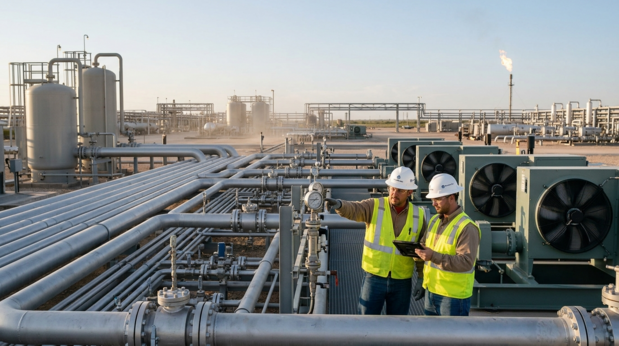
While the anticipated growth is promising, it is essential to acknowledge the potential challenges that could arise. Infrastructure development will be necessary to transport the increased natural gas supply efficiently. Investments in pipelines, processing facilities, and storage capacity will be critical to ensure that the growing production can be delivered to markets effectively. Addressing these challenges will require collaboration between industry stakeholders and regulatory bodies, emphasizing the importance of strategic planning in the energy sector.
In conclusion, the expected 60% increase in natural gas production in the Permian Basin from 2021 to 2025 highlights a significant shift in the region’s energy profile. This growth not only supports the evolving demands of the American energy landscape but also presents opportunities for job creation and economic development in local communities. As the industry adapts to changing market conditions, the emphasis on natural gas production could serve as a stabilizing force within the broader energy economy, showcasing the Permian Basin’s continued relevance in American industry.