The ongoing strike by United Auto Workers (UAW) at American Axle is raising concerns about potential disruptions to General Motors’ truck production. Nearly 1,000 workers at the Michigan-based supplier have walked off the job amid stalled contract negotiations, highlighting the delicate balance between labor demands and manufacturing stability in the automotive industry.
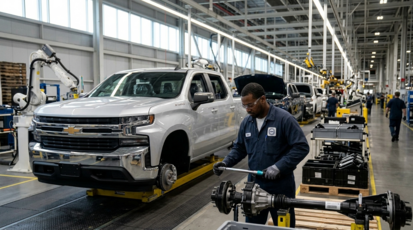
American Axle plays a critical role in supplying components for GM’s trucks, and any prolonged strike could significantly impact production schedules. The situation underscores the interconnectedness of various players in the automotive supply chain, where a labor dispute at one company can ripple across the entire industry. With GM relying heavily on American Axle for essential parts, the strike poses a risk not only to vehicle availability but also to the company’s profitability.
Workers at American Axle are pushing for higher wages and improved working conditions, reflecting broader trends in labor negotiations across the country. As inflation continues to impact everyday expenses, many workers are seeking compensation that aligns more closely with rising living costs. This strike is part of a larger conversation about fair wages in an industry that has seen significant profits in recent years.
The potential impact of the strike extends beyond GM and American Axle. It serves as a reminder of the importance of labor negotiations in maintaining competitiveness within the automotive sector. As companies navigate a rapidly changing market, particularly with the transition to electric vehicles, stable labor relations will be crucial for sustaining production levels and meeting consumer demand.
In the context of the broader economy, this strike could serve as an indicator of the challenges that manufacturers face in balancing labor costs with operational efficiency. As companies strive to innovate and adapt to new technologies, they must also address the needs and concerns of their workforce. The outcome of this strike may influence negotiations at other suppliers and manufacturers, potentially leading to a shift in how labor relations are approached in the sector.
While the strike poses challenges for GM, it also opens up discussions about the future of work in the automotive industry. The demand for higher wages may prompt companies to reassess their compensation structures, which could lead to more competitive pay in the long run. As labor movements gain traction, the industry may see a shift toward more equitable labor practices.
The resolution of the strike will be closely watched by industry analysts and workers alike, as it could set a precedent for future negotiations across the automotive sector. For now, the situation remains fluid, with both sides likely to engage in discussions to find a resolution that addresses worker demands while ensuring production continuity at GM.
As the strike unfolds, its implications for American workers, production capabilities, and the overall health of the automotive industry will become clearer. This situation reflects the ongoing challenges and opportunities that come with labor negotiations in a rapidly evolving manufacturing landscape.