In Washington, lawmakers are working diligently to secure additional financial aid for farmers as they navigate a critical transition period before new safety-net programs are implemented in October. This effort highlights the ongoing importance of supporting American agriculture, which plays a vital role in the economy and local communities across the nation.
The current focus on farmer financial aid comes at a time when many agricultural producers are facing economic uncertainties. With a range of competing legislative priorities, both Republican and Democratic leaders are racing to ensure that farmers receive the necessary support to maintain their operations. This bipartisan effort underscores a shared recognition of the challenges facing the agricultural sector and the need for timely intervention.
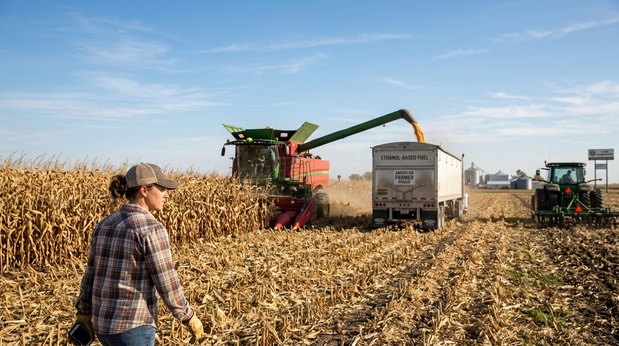
In addition to financial aid, Congress is also considering a voluntary ethanol boost, which could further impact the agricultural landscape. Ethanol production is closely tied to corn farming, and an increase in demand for ethanol could help stabilize corn prices, benefiting farmers in the long run. This potential boost in the ethanol market reflects a broader commitment to renewable energy sources, aligning agricultural practices with environmental goals.
The push for a new farm bill is another critical component of this legislative agenda. An updated farm bill would not only address financial aid but also encompass various agricultural programs that support food production, conservation efforts, and rural development. By modernizing these policies, Congress aims to enhance the resilience of the agricultural sector, ensuring that it can adapt to changing market conditions and consumer demands.
Amid these legislative efforts, there are challenges to consider. The tight timeline for passing these measures could create uncertainty for farmers who rely on timely assistance. However, the urgency surrounding this issue reflects a growing acknowledgment of agriculture’s role in the broader economy, particularly as supply chains continue to face disruptions.
Moreover, the emphasis on farmer support aligns with the ongoing discussions about food security and sustainable practices. As the nation grapples with various economic challenges, ensuring a robust agricultural sector is essential for maintaining food supply and affordability. This focus on agriculture not only benefits farmers but also supports local economies, reinforcing the interconnected nature of rural and urban communities.
As Congress works to finalize these measures, the outcomes could have lasting implications for American agriculture. The potential for increased financial aid, coupled with a renewed focus on ethanol production and a comprehensive farm bill, points to a forward-looking approach that prioritizes the needs of farmers while also addressing broader economic goals.
In conclusion, the current legislative efforts in Washington to support farmers reflect a significant recognition of the agricultural sector’s importance. By addressing immediate financial needs and considering long-term policy changes, lawmakers are taking steps that could strengthen the industry and contribute to the overall stability of the American economy.