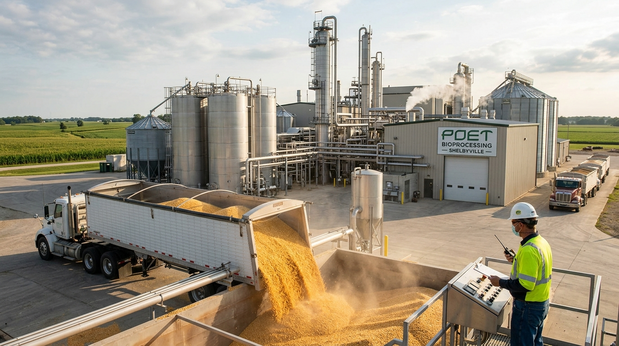
The POET Bioprocessing facility in Shelbyville, Indiana, is set to nearly double its production capacity, leading to a significant increase in demand for local corn. This expansion, valued at approximately $211 million, is expected to add 32 million bushels of corn to the demand each year, underscoring the growing role of biofuels in American industry and its positive implications for local agriculture.
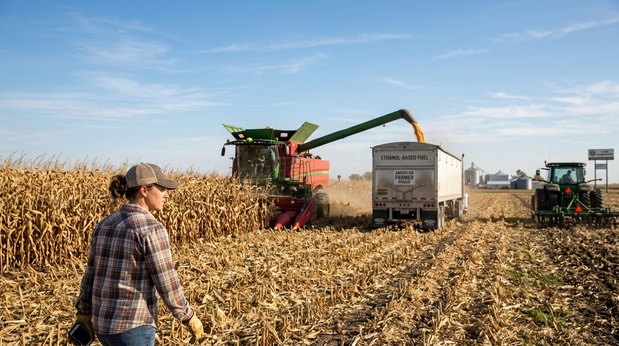
The expansion of the Shelbyville plant reflects a broader trend within the biofuel sector, which has been gaining momentum as an alternative energy source. With the increasing emphasis on renewable energy, facilities like POET are not only enhancing their production capabilities but also contributing to the stability and growth of local economies. The additional demand for corn is likely to benefit many farmers in the region, providing them with new opportunities to increase their yields and revenues.
Biofuels have become an essential component of the American energy landscape, and the expansion of this facility highlights the intersection of agriculture and energy production. As the demand for cleaner energy options rises, biofuels are positioned to play a crucial role in meeting these needs. The increase in production capacity at the POET facility signifies a commitment to investing in sustainable energy solutions while supporting local agricultural practices.
Moreover, the expansion is anticipated to strengthen the local supply chain. With more corn needed for biofuel production, farmers can expect a more stable market for their crops. This could lead to a ripple effect throughout the agricultural sector, as increased demand may encourage more investment in farming technologies and practices that enhance productivity. Such developments could ultimately lead to greater efficiency and sustainability within the industry.
Additionally, the economic impact of this expansion extends beyond just agriculture. The investment in the Shelbyville facility is likely to create jobs, both during the construction phase and in ongoing operations. As the facility ramps up production, it will require skilled workers, which could lead to new employment opportunities in the area. This aligns with the growing need for skilled labor in the energy sector, where expertise in biofuel production is becoming increasingly valuable.
While challenges remain, such as fluctuating corn prices and the need for continuous technological advancement, the project reflects a significant step forward in the biofuel industry. The increased capacity at the POET facility could help bolster the resilience of local economies and contribute to the ongoing transformation of energy production in the United States.
In conclusion, the expansion of the POET Bioprocessing facility in Shelbyville is not just about increasing production; it is a strategic move that supports local agriculture, strengthens supply chains, and enhances the viability of biofuels as a sustainable energy source. As the facility prepares to meet the growing demand for biofuels, it exemplifies how investment in infrastructure can yield positive outcomes for communities, industries, and the environment alike.