A recent study underscores the opportunity for American corn producers in identifying new biofuel markets. As harvests increase and demand for corn declines, this shift could significantly impact the agriculture sector, which is a cornerstone of the American economy. The findings highlight both challenges and opportunities for farmers, workers, and businesses tied to the corn industry.
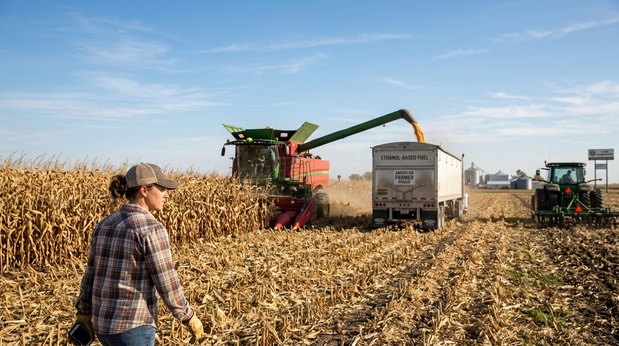
The study reveals that despite a projected record harvest of 16.7 billion bushels, the demand for corn is not keeping pace. This imbalance raises concerns about the sustainability of corn production in the long term. For farmers, pivoting towards biofuel markets could provide a vital avenue for stabilizing income and maintaining production levels. Exploring these markets not only aids farmers but also supports local communities that rely on agriculture for economic stability.
The potential for biofuels to play a more significant role in energy production has been evident for some time. Corn-based ethanol has been a staple in the U.S. energy landscape, but as demand fluctuates, diversifying into new biofuel markets could help bolster the agricultural sector. This diversification could enhance the resilience of American farmers, making them less dependent on traditional markets while ensuring that they remain competitive globally.
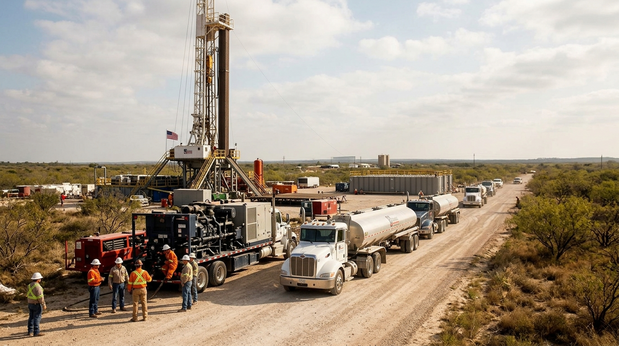
Moreover, the drive towards biofuels aligns with broader trends in energy production and consumption. As the nation seeks to transition towards cleaner energy sources, corn producers could find themselves at the forefront of this shift. Investing in biofuel production not only supports the agricultural industry but also contributes to national energy goals, by boosting energy independence.
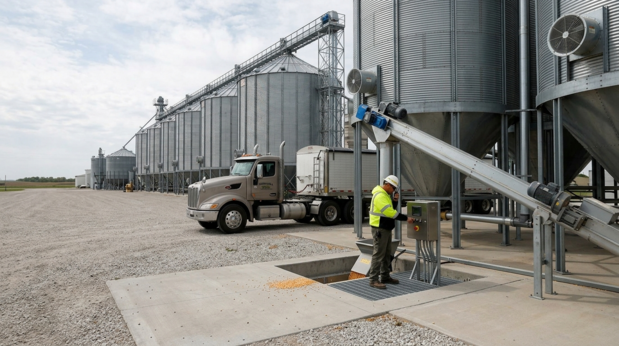
While the path to establishing new biofuel markets may come with challenges, such as regulatory hurdles and the need for technological advancements, the potential rewards could be significant. Increased investment in biofuel infrastructure would not only create jobs but also fortify supply chains that support both agriculture and energy sectors. This integrated approach could lead to a more robust economy, where agriculture and energy work hand in hand.
As American corn producers navigate this changing landscape, collaboration among stakeholders will be crucial. Government policies, industry partnerships, and research initiatives can all play a role in facilitating the transition towards new biofuel markets. Such efforts would not only benefit farmers but also enhance the overall competitiveness of American agriculture on a global scale.
In conclusion, the call for new biofuel markets for corn producers reflects an essential evolution within the agricultural sector. By embracing these opportunities, American farmers can not only secure their livelihoods but also contribute to a more resilient energy future. T