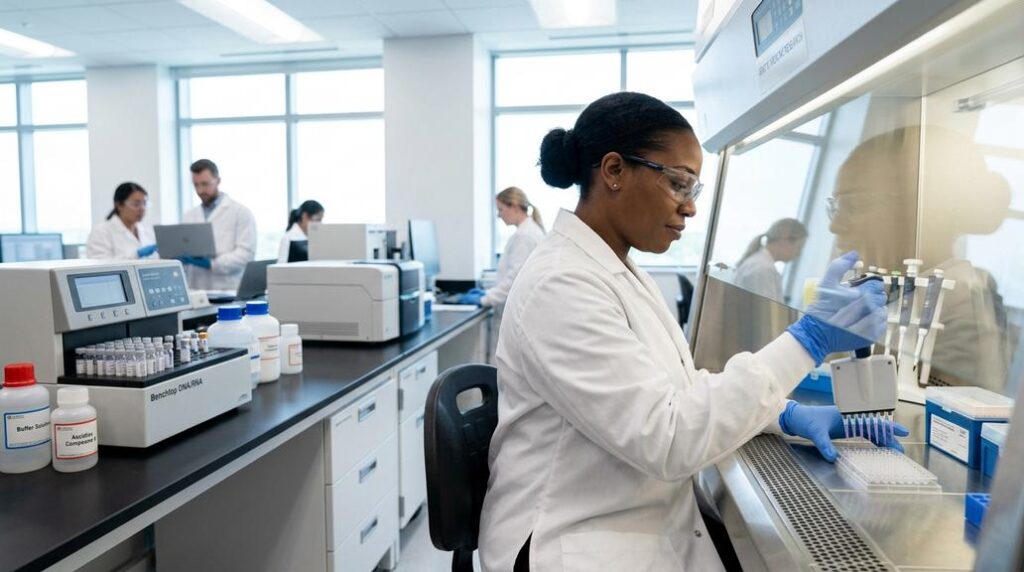
Eli Lilly has announced a significant partnership with biotech firm Ascidian Therapeutics valued at up to $1.9 billion. The collaboration focuses on developing genetic medicines to treat rare monogenic kidney diseases, using Ascidian’s RNA exon editing technology. The deal marks another step in Lilly’s expanding genetic medicine pipeline.
Under the agreement, Ascidian will lead early research funded by a substantial upfront payment, while Lilly will assume responsibility for later-stage preclinical development, clinical trials, manufacturing, and commercialization. The partnership centers on Ascidian’s Boston-based platform, keeping core research activities within the U.S.
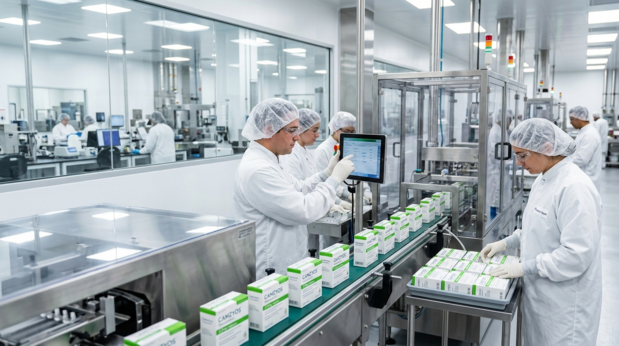
While the publicly disclosed terms emphasize research and development, this collaboration is expected to expand U.S.-based biotech activity, adding to demand for highly skilled jobs in scientific research, clinical operations, and manufacturing—especially as Lilly invests in genetic medicine manufacturing capacity in its Indiana facilities.
The partnership could also create indirect benefits for local communities through vendor contracts, lab services, clinical trial sites, and associated economic activities. Although such impacts are not explicitly quantified, advances in rare disease therapies often generate ripple effects that contribute to healthcare innovation clusters.
Importantly, this deal reflects a long-term commitment to advancing treatments that could reduce the burden of monogenic kidney diseases if successful. Improved therapies have the potential to lower downstream healthcare costs and improve patient outcomes, benefiting affected families and communities across the country.
However, it’s worth noting that the $1.9 billion figure represents potential milestone payments, royalties, and upfront fees combined, not immediate cash invested. There is no current estimate of the partnership’s net impact on U.S. GDP, employment numbers, or local tax revenues.
Overall, Eli Lilly’s agreement with Ascidian showcases the ongoing investment in the U.S. biotech sector’s future, reinforcing America’s position in cutting-edge genetic medicine research with hopeful implications for patients, workforce, and regional innovation ecosystems.